

Point 14: old washhouses
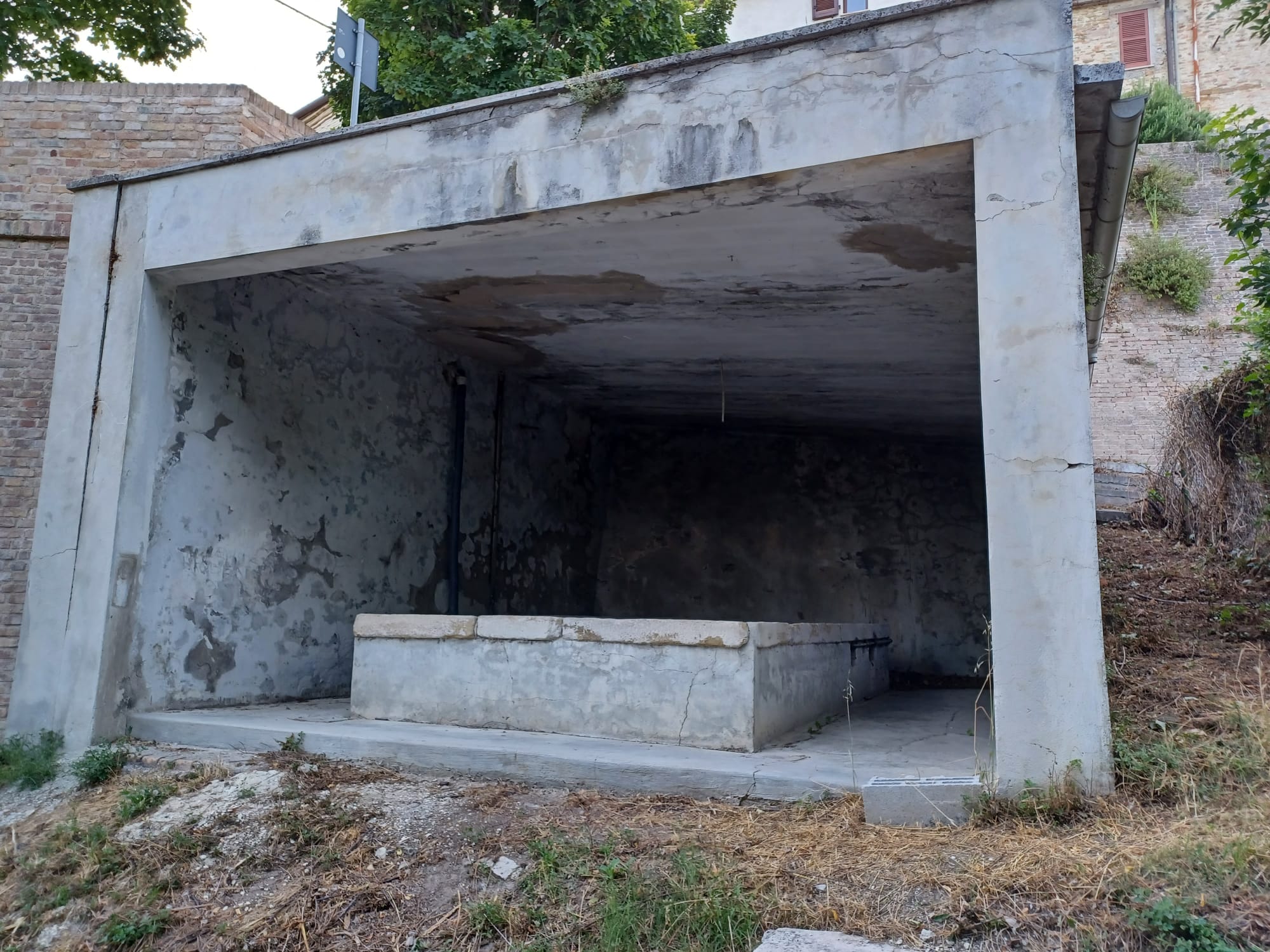
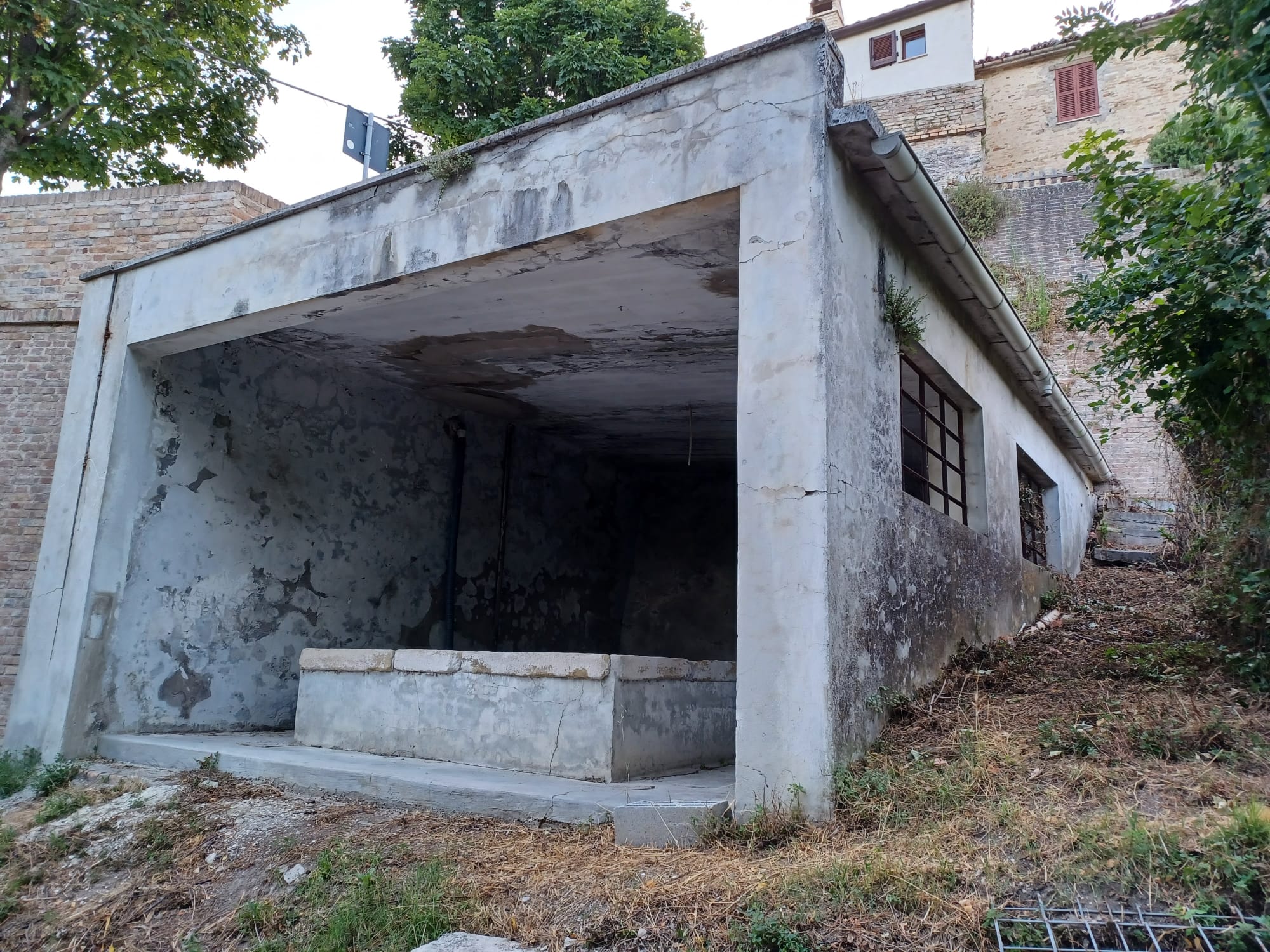
Here you can see the old public wash houses, located right here, under the city walls.
In the past when you needed to wash your laundry, and there was neither running water nor washing machines in the houses, you went to the nearby river or precisely to these public wash houses.
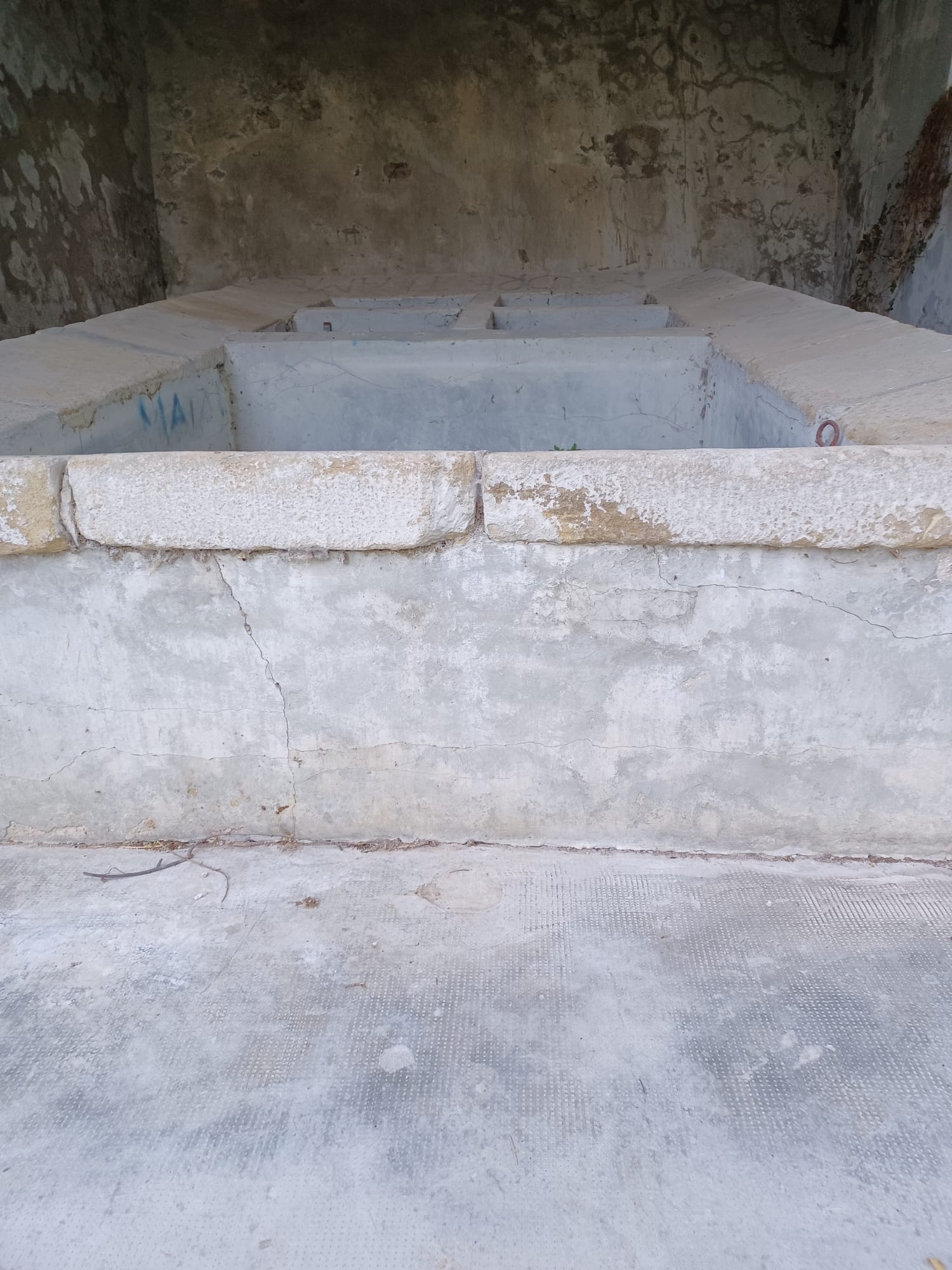
They consisted of tanks raised from the ground and equipped with an inclined plane on which you could rub fabrics and clothes with hard brushes, commonly called “brusche”, or with bare hands, using homemade soaps.
The soaps were made by boiling caustic soda, Greek pitch, animal fat and bones together and perfumed with lavender, mint or basil leaves.
The filth was much more resistant than now and the laundry was done every fifteen or twenty days, therefore it became a real hard work.
It involved the whole family, sometimes even the neighbours, and consisted of at least three phases, two of which took place here, in the washhouses.
We can say that in the washhouses, or along the rivers, the first phase consisted of removing the more insistent filth by rubbing collars and cuffs and the most resistant spots with soap, on a rectangular and rough stone inclined on the water to favor the anchoring of the clothes.
Then in the houses the laundry was washed with a “ranno”, that is a mixture obtained by pouring boiling water over a layer of white ash, coming from poor woods, such as broom, brambles, acacias, over a large woven cloth, or an old patched bed sheet, called “cendrale”.
The boiling water dissolved the components of the ash, creating a solution of potassium bicarbonate which combined with the soap and penetrated into the fabrics making them white and giving them a particular and inimitable fragrance.
Finally, the clothes remained soaked in the tub called “mastella” for a whole night and when the water cooled down they were rinsed in the running water of the washhouses or in the river.
The transport took place with “birocci” and carts, because the clothes soaked in water, were very heavy.
The washhouses were crowded places, where people worked, talked, told each other the events of the day and gossip, sang and made noise while banging the clothes in the tubs.
Washing clothes was a heavy and tiring work, but our grandmothers always found a way to laugh, have fun and lighten the day.
The washhouses were a place of aggregation and socialization like bars, ACLI clubs and outlets. They were places where the life of the past took place.
Why remember the ancient wash houses?
Because they are part of our history and because they tell many, many stories.
Along the “Cuppio” road, there is an ancient source of water, precisely called “Cuppio”, which gives its name to the road and to the locality itself.
Near the source of water there was a small wash house, now only a small underground well remains.
Point 15: poem ``Ancient Window``
Inviting you to enjoy the beautiful panorama, we would like to share with you a poem, written by a boy from San Vito, which sums up our common feeling. This poem is about the past time that is still so much alive and felt in our minds and in our daily gestures, because the past is not as distant as we believe.
Go to point 15