

The Necropolis and the ``Caselle``
Welcome to point 2. Rest for a moment and take the opportunity to learn about two other important historical facts relating to San Vito sul Cesano and its surroundings.
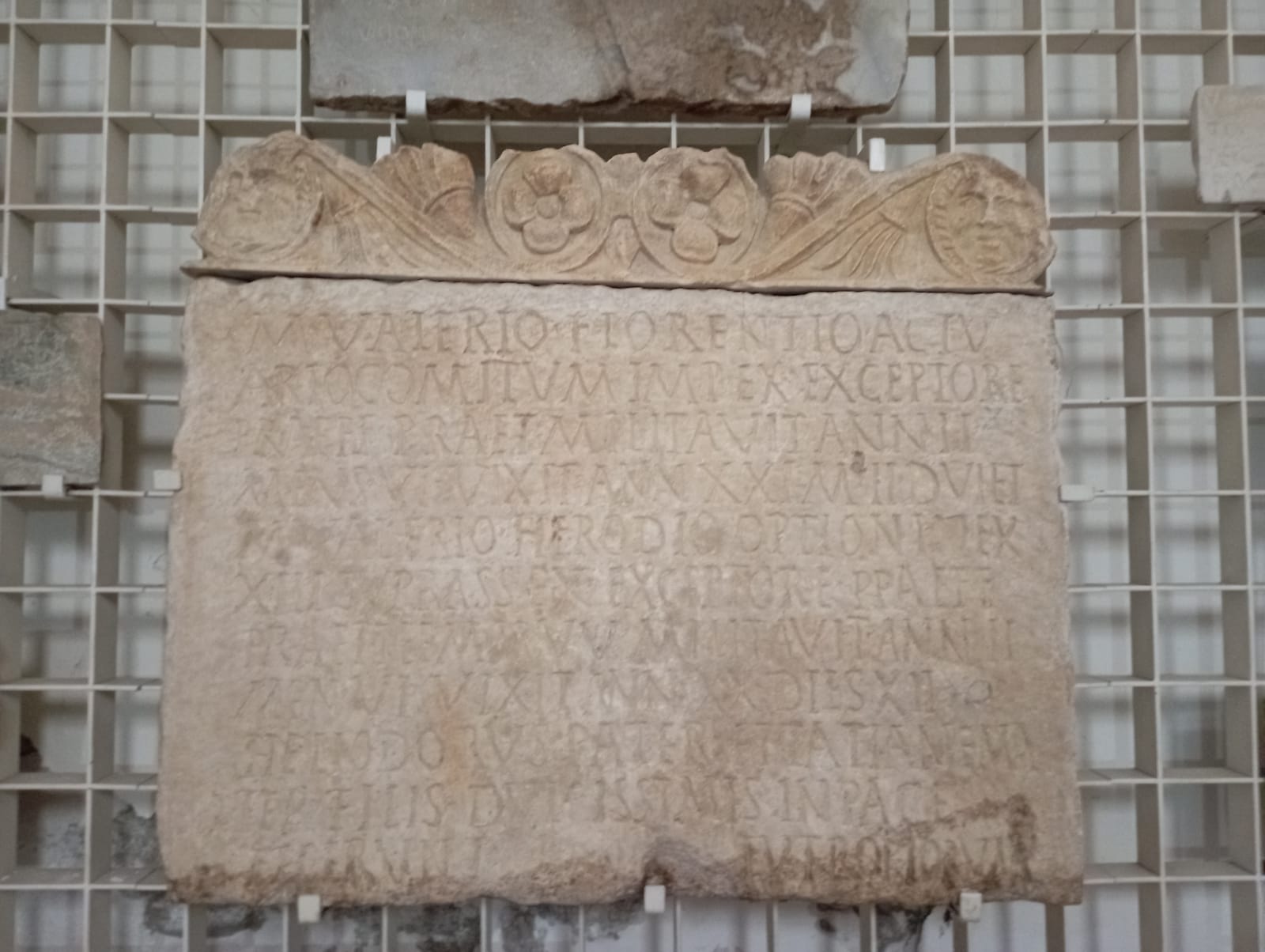
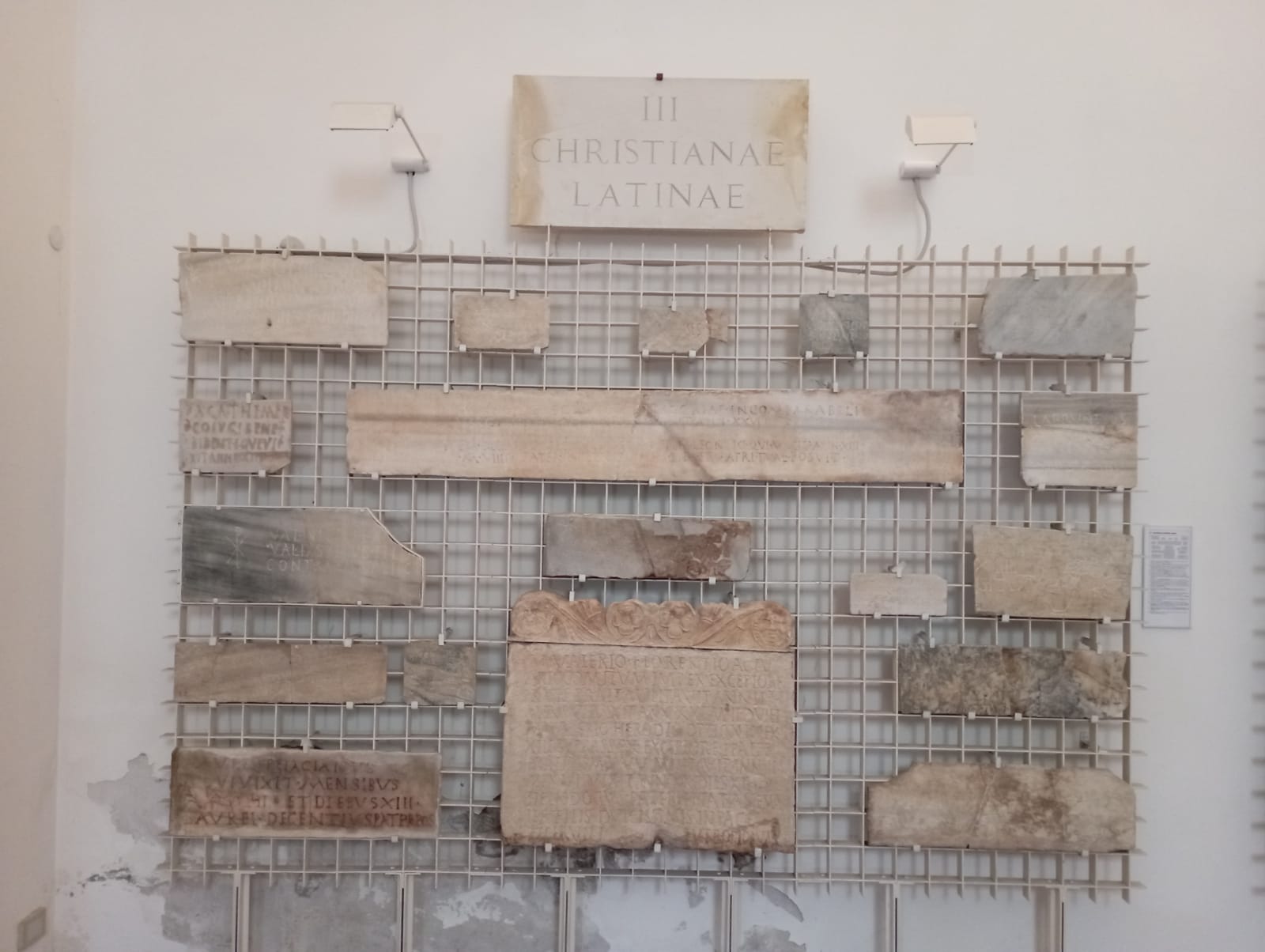
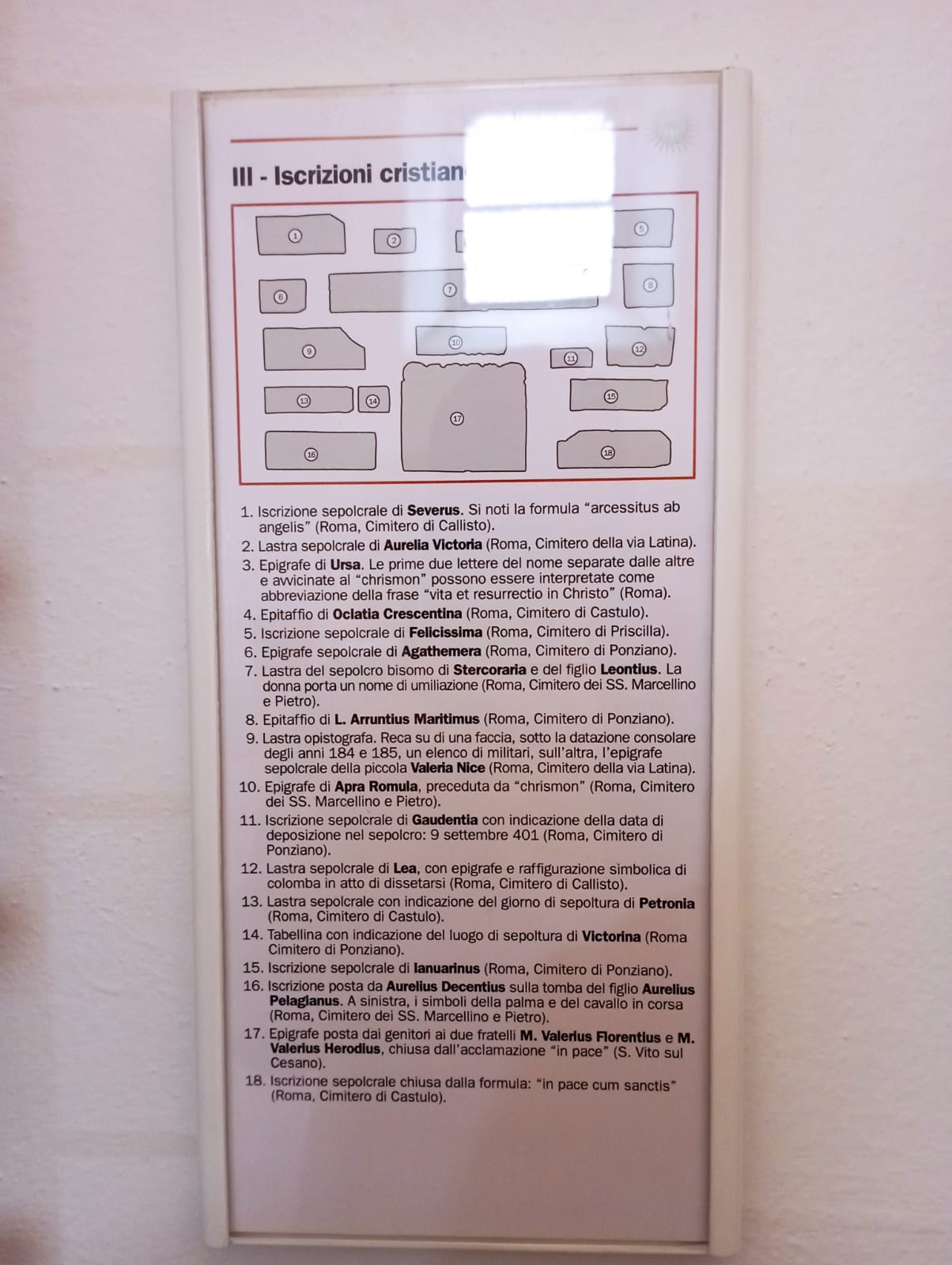
The first one concerns the land on the right of the road you have just travelled along. Here there was the necropolis the Dominican father Vincenzo Cimarelli mentions in his writings when speaking about the Old Pieve of San Vito in the first half of the 1600s. Its presence has been confirmed by the discovery of many archaeological finds such as water pipes, rough and primitive sewers, building foundations, Capuchin tombs, cinerary vases, weapons, coins, gold jewelry and many worked flint, commonly called “flint arrows”. Some “flint arrows”, which can be considered man’s first offensive weapon, are kept in the Antiquarium Suasano in San Lorenzo in Campo. Unfortunately a landslide detached from the hill above has completely buried the ruins under several meters of earth, and therefore the excavations are a really hard work.
The second one concerns the “Caselle”. With the term “Le Caselle”, we can indicate both the way to reach them and, above all, the small group of houses down there with their surrounding area. They are located in an intermediate position, between the Cesano river and the road. Why are the “Caselle” so special? Because they were mud houses.
In the Marche Region, for centuries, the buildings have been built using earth mixed with mud and straw. In the Ancona area and in the south of Marche this kind of construction was very frequent, however here in our area the presence of such artefacts is limited to a small area of the Cesano Valley, and precisely in the territories between the municipalities of San Lorenzo in Campo, Fratte Rosa and Corinaldo.
For example, in the nineteenth-century papal register kept in the municipal archive of San Lorenzo in Campo, the localities of Caselle and Casaccie are reported.
Both of them are located very close to the Cesano river: the first one is near the old Parish Church of San Vito sul Cesano, the second one is not far away, towards San Lorenzo in Campo.
Originally, with the construction technique described above, all sorts of constructions were erected, from religious ones such as churches, convents, cemeteries’ walls to urban ones. Within Cesano Valley you can mainly find only rural buildings such as peasant houses, sheds, and tobacco dryers. They are no longer as numerous as they were in the past. This is due to the fact that over the years they have been “restored” and consolidated with other materials, and are no longer recognizable. Other ones are in a state of complete abandonment or just ruins invaded by vegetation.
The materials for building were easily available and in large quantities. They were ecological houses “ante litteram” even if easily perishable by their very nature and even if they required constant maintenance.
The houses made of raw earth have modest dimensions, they are small and intimate. Sometimes they have only the ground floor adjoining the stables and the cellar, or they are built on two floors, and usually have an external staircase connecting them.
In this case the work took place on the lower floor and the inhabited rooms above. Some of them have an internal trapdoor on the floor, called “battuscio”. By a ladder of pegs it is possible to go downstairs. The mud houses can be recognized because they have very small windows and the spur of the perimeter walls gives stability to the complex. Internally, the layout of the rooms is irregular and the rooms are narrow and low.
To build these houses long or small straw mixed with earth and water was used depending on the specific technique. It was then pounded with bare feet in a hole or pressed into special boxes from which raw bricks were obtained. In addition to straw, buina was used. It is cow dung, available in large quantities.
Unfortunately our “Caselle” haven’t kept their original shape and you can find only a few elements that indicate their original structure, because they have been restructured over the years. Only the name has left but we like to tell you their story because we are proud to have had an example of them here in our territory!
Now you have to continue in the direction of the castle of S. Vito and just take the unpaved road after the first bend on the left.

Point 3: the old street
We are almost at the end of the old route from the Old Pieve to the Castle of San Vito sul Cesano which is commonly called “The old street” or “Della Cupa” as it was known in the past.
Go to Point 3