

Point 4: the old crafts
In a not too distant time, San Vito sul Cesano was inhabited by many families, and the silence of its orderly alleys was broken only by the laughs of the children playing, and by the voices of the busy women, who came from the open windows adorned with vases of flowers.
There were many artisan shops, at that time, a sign that the village was very important, and was a point of reference, not only for the inhabitants of the Castle, but also for the farmers of the countryside and nearby villages.
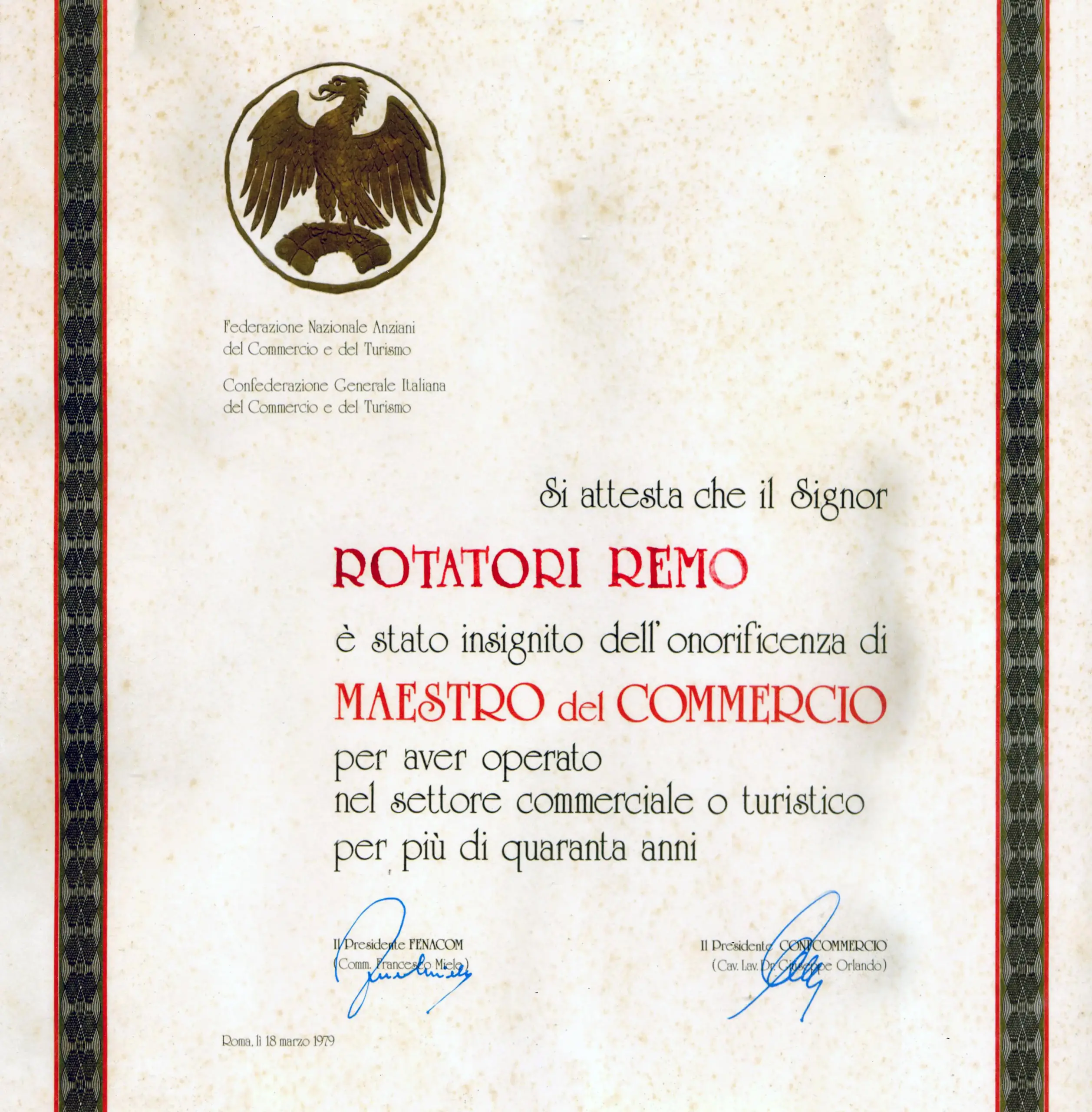
There were two carpenters, Dario Marchetti and Virgilio Guidi who built and repaired barrels, a blacksmith and farrier, first Emilio Mariscoli and then Gino Franceschetti, two permanent shoemakers, Raimondo Papi and Germano Mariscoli, and two seasonal ones, Sabbatino Secchiaroli and Luigi Borgacci, who mainly worked as miners in the nearby Cabernardi sulfur mine, a baker, Nello Tagliatesta, a tailor, Marino Ghetti, a bricklayer, Alberto Santini and finally a grocery shop owned by Remo Rotatori.
There was a room used as a slaughterhouse, and a shared oven, when there was no baker yet.
Even today if you stop in its narrow alleys, close your eyes and use a little imagination, you can feel the smell of freshly baked bread “del fornaro”, cut wood, glue, impregnating oil which mixes with that one of the ancient paints coming from the carpenter’s workshop and the unmistakable smell of leather and mastic from the workshop of the two shoemakers.
You will still be able to hear the loud and sharp noise of a hammer beating on the anvil, coming from the alley of the blacksmith and farrier, and you will still be able to feel the unmistakable smell of spices, as soon as you entered the grocery store of Remo. A that time the goods were unpackaged and each product released its particular fragrance, while the candies were displayed in large glass jars, to tempt young and old people.
Each purchase was well thought out and never superfluous; every present was a precious gift, because thrift was a rule of life, due to the ever-present poverty.
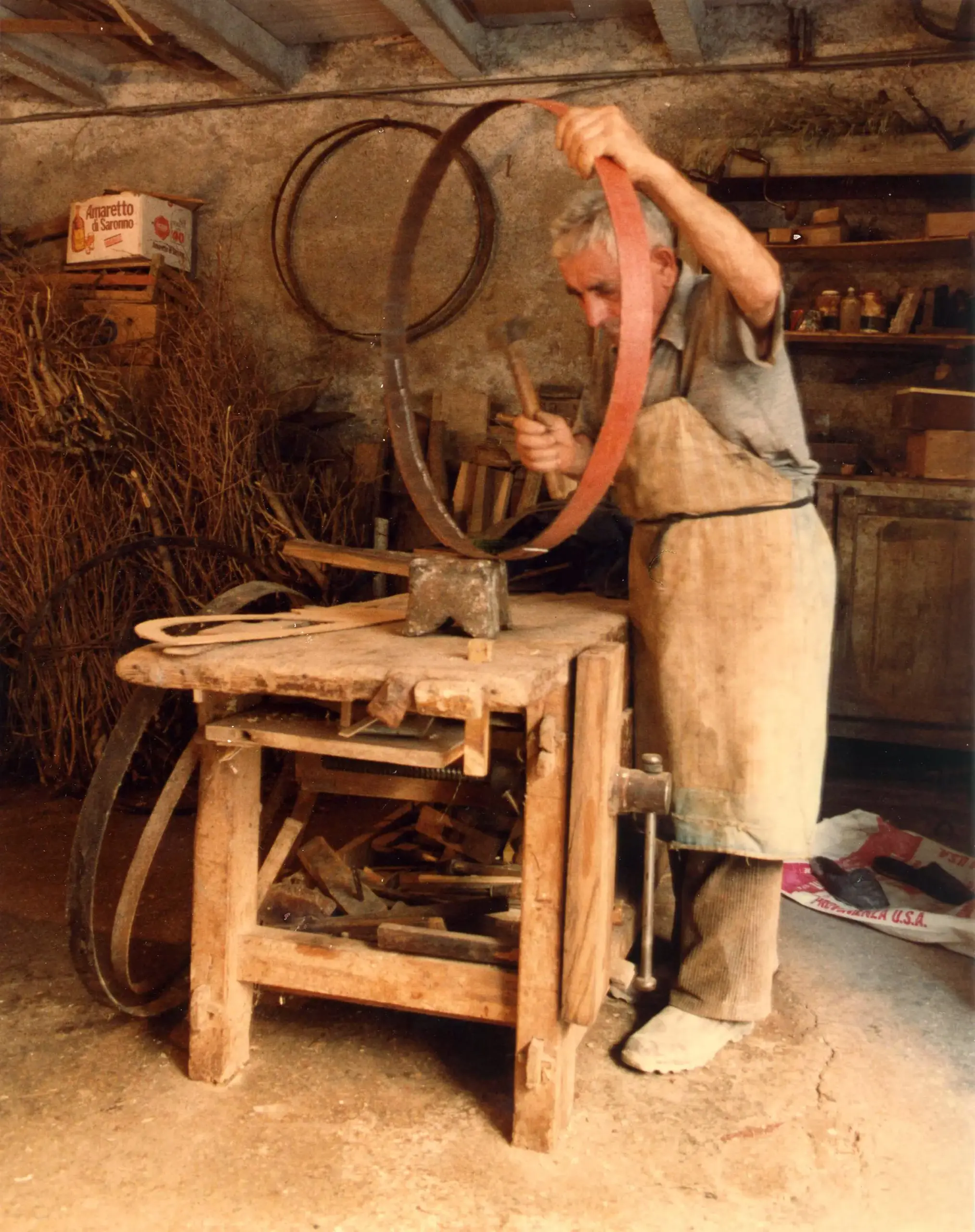
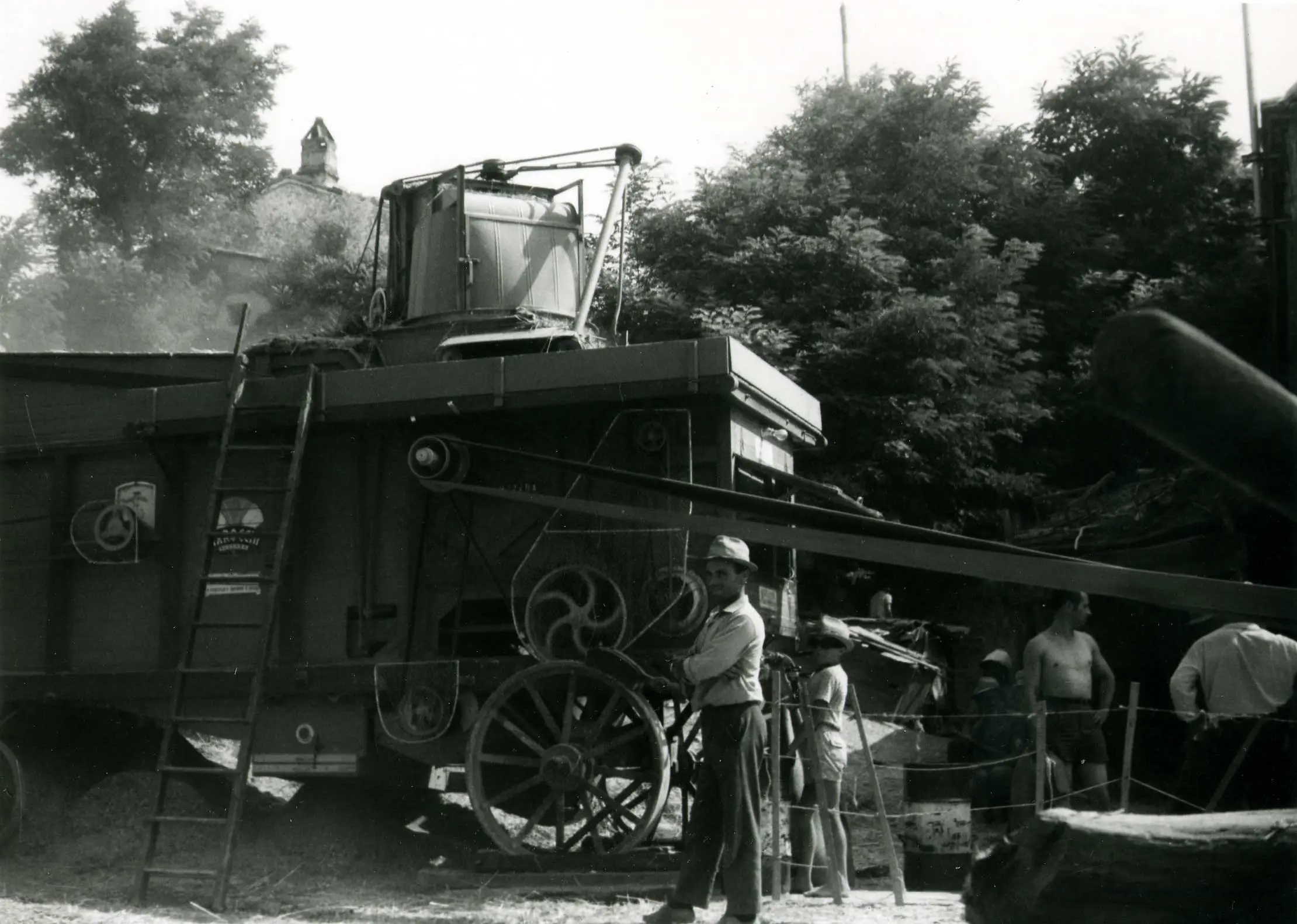
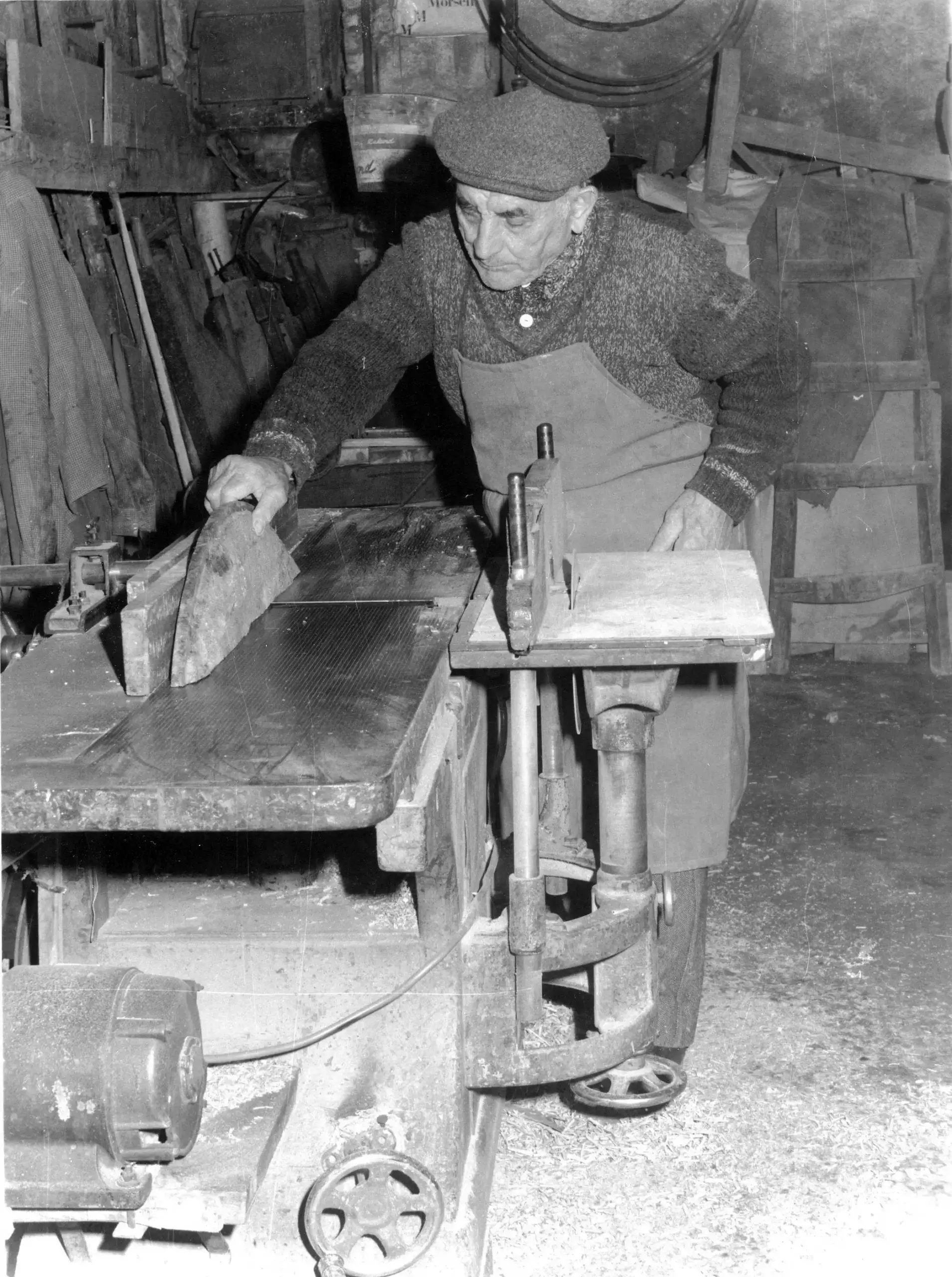
Above all, when something broke, it was not thrown away but repaired. For this reason, even in San Vito there were peolpe such as Battista Pellegrini who repaired the mattresses, Mr. Rapetta, from San Pietro in Musio di Arcevia, who went around towns and countryside to repair plates and other ceramic or earthenware tools.
A third person from Padua, on the other hand, repaired the chairs, also wandering around the countryside and small villages.
Food and accommodation, were guaranteed for people who don’t usually leave in San Vito sul Cesano during the period of their stay in the village.
In addition to these jobs, throughout the town, there were also two municipal workers, Augusto Borgacci and Egildo Rasori.
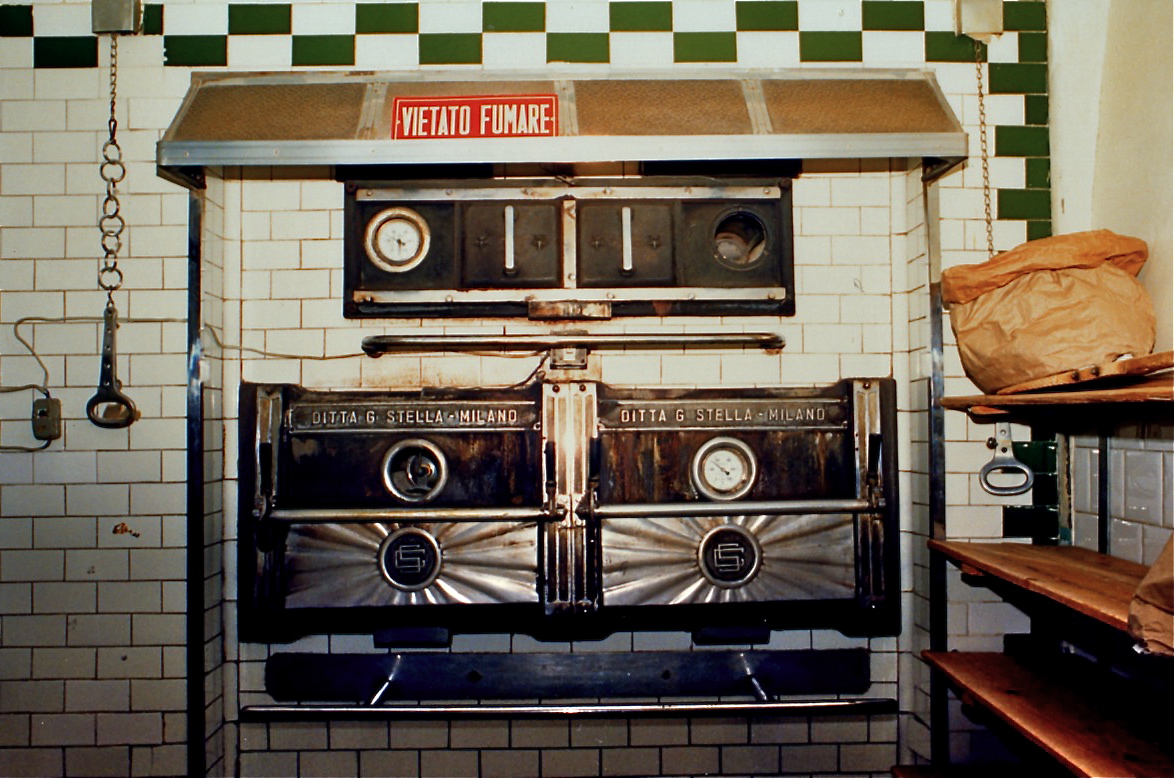
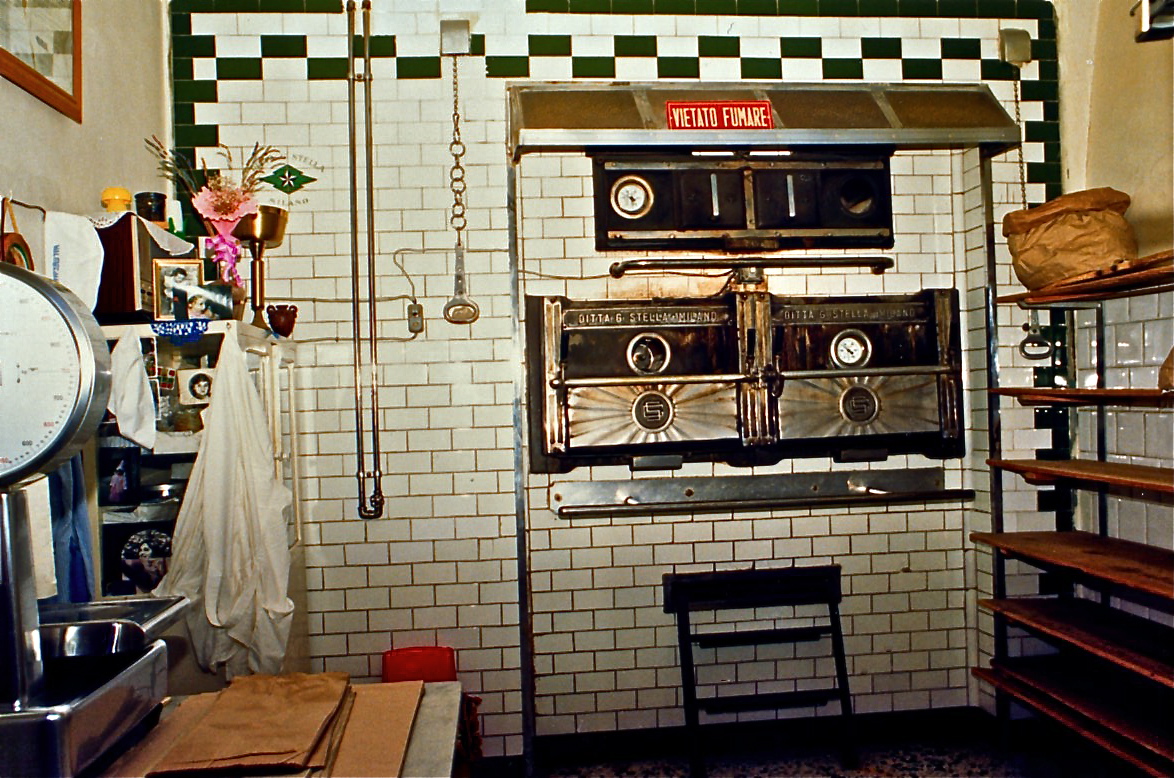
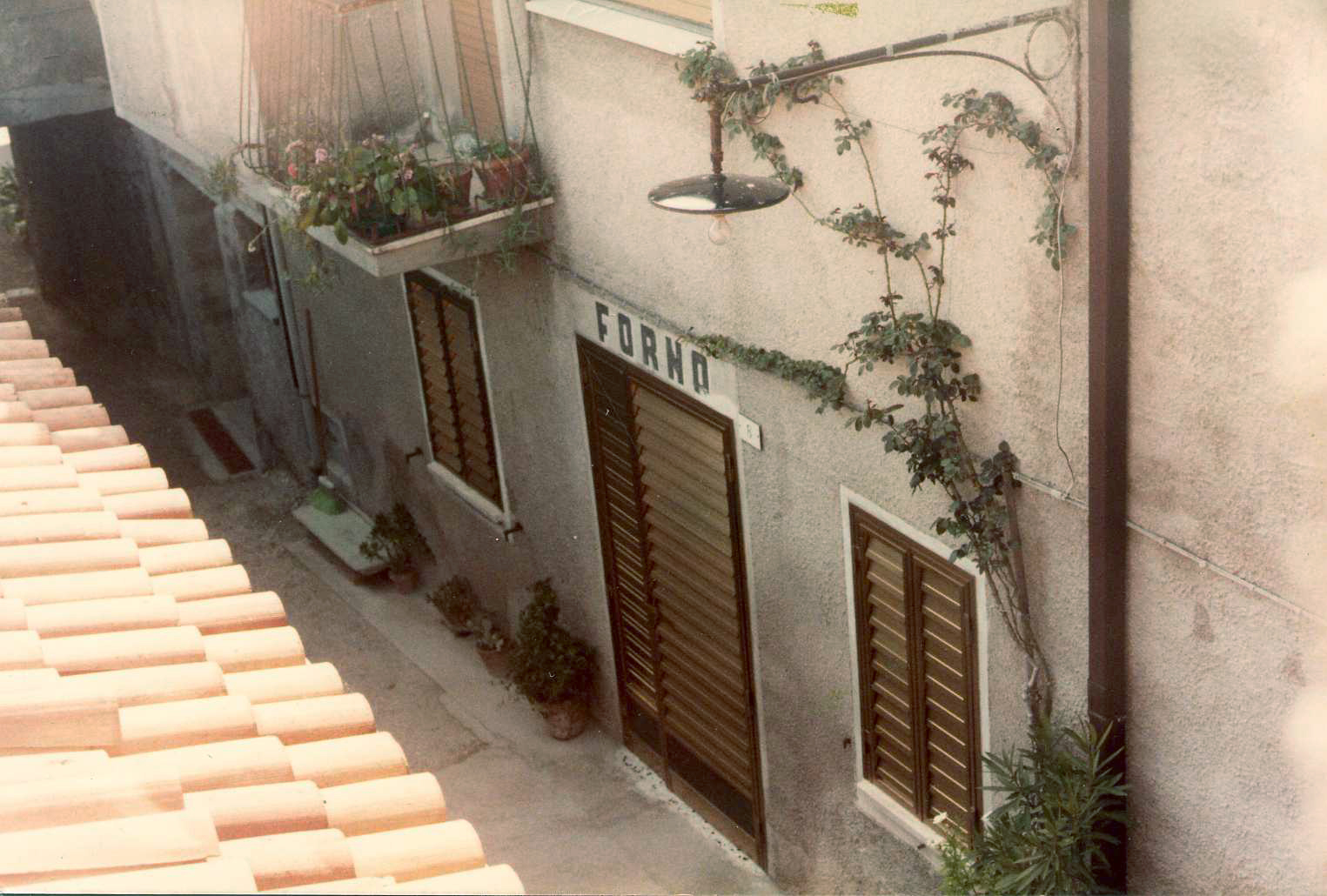
In this alley, where we are now, there was Nello’s oven, which has baked bread since 1953 for the entire population.
From the early hours of the day, the inebriating smell of freshly baked bread came out from the oven door and ran along the streets of the town.
A familiar and satisfying smell entered into the open windows of houses and old shops like a daily ritual: bread was life.
Nello’s bread was like his son, it was the fruit of an ancient art, learned since he was a child, when he observed women kneading flour in the kitchens.
This art made him appreciate and respect the times of leavening, the different stages of bread-making, the scrupulous choice of flours and the best millstones.
Although the ingredients were very simple, during those years, they were processed with great dedication and passion.
When Don Fauno’s bells rang at 7.30, Nello opened the oven and started to sell the bread.
In the afternoon he left for his usual round of deliveries, with his white Fiat Fiorino, crammed with every delicacy, bread, pizza, and some cakes.
He traveled through the countryside, up to Monterolo and la Romita, along narrow roads, bringing with him his characteristic smell of good.
Thanks to his crafts, San Vito was a mix of images, flavors and smells, which crossed the alleys, the square and the historic buildings. With a bit of nostalgia and imagination, it can reach even us!
Point 5: festivals, customs and traditions
Discover all festivals, customs and traditions of San Vito Sul Cesano.
Go to point 5